In the Nyamesheke District of Cyato, Rwanda, farming families face falling coffee yields, threatening reduced household income. The decline in yield is attributed to the effects of climate change, including irregular rainfall patterns and high temperatures which has led to a rise in coffee pests and diseases.
Farmers also struggle to access markets due to a lack of certifications, and oftentimes resort to selling to middlemen, which reduces profits by up to 30%. Additionally, many farmers lack the essential business and financial management skills to plan and run their farms efficiently.
In this blog, learn more about our Sustainable Coffee Futures project with Tropic Coffee, which was set up to directly address these challenges. Launched in July 2025, this 12-month project, funded by ADA as part of the SSNUP programme, strengthened the sustainability of the coffee supply chain by supporting 500 farmers in the region.
Interventions encompassed Good Agricultural Practices (GAP) training, Climate-Smart Agriculture, Organic and Fairtrade certification support, financial literacy and women's empowerment.
Through these initiatives, smallholder farmers have been supported to meet the criteria required to obtain organic and Fairtrade certifications, access international markets, increase sales and generate premiums, contributing towards long-term community development.
At a glance, the impacts of this project include:
- A 200% increase in income and 157% increase in production, with the average annual harvest rising from 560kg to
1,437kg of coffee cherries per household and average annual coffee income rising from RWF 412,424 to RWF 1,236,274. - A near-universal adoption of most critical climate-smart practices, with drought-resistant seedlings increasing from 12% to 100% and irrigation increasing from 10% to 94%.
- An improvement in knowledge and post-harvest handling, from 'low' scores of 2.3 to 'very high' scores of five across processing, storage and quality enhancement.
- A complete adoption of Organic and Fairtrade certifications among participants following related training.
- A 'significant increase' in women's participation in coffee production (reported by 100% of participants) and production and income decision-making (reported by 98.6% of participants).
How we gather this data: A total of 88 farmers, comprising 56 women and 32 men, were assessed through a baseline survey using structured questionnaires. The survey provided valuable sights into the farmers' socio-economic conditions, farming practices and livelihood status prior to the interventions of this project. The information gathered established a benchmark for measuring project progress and outcomes and helped inform the design and implementation of targeted project activities to address identified needs and challenges.
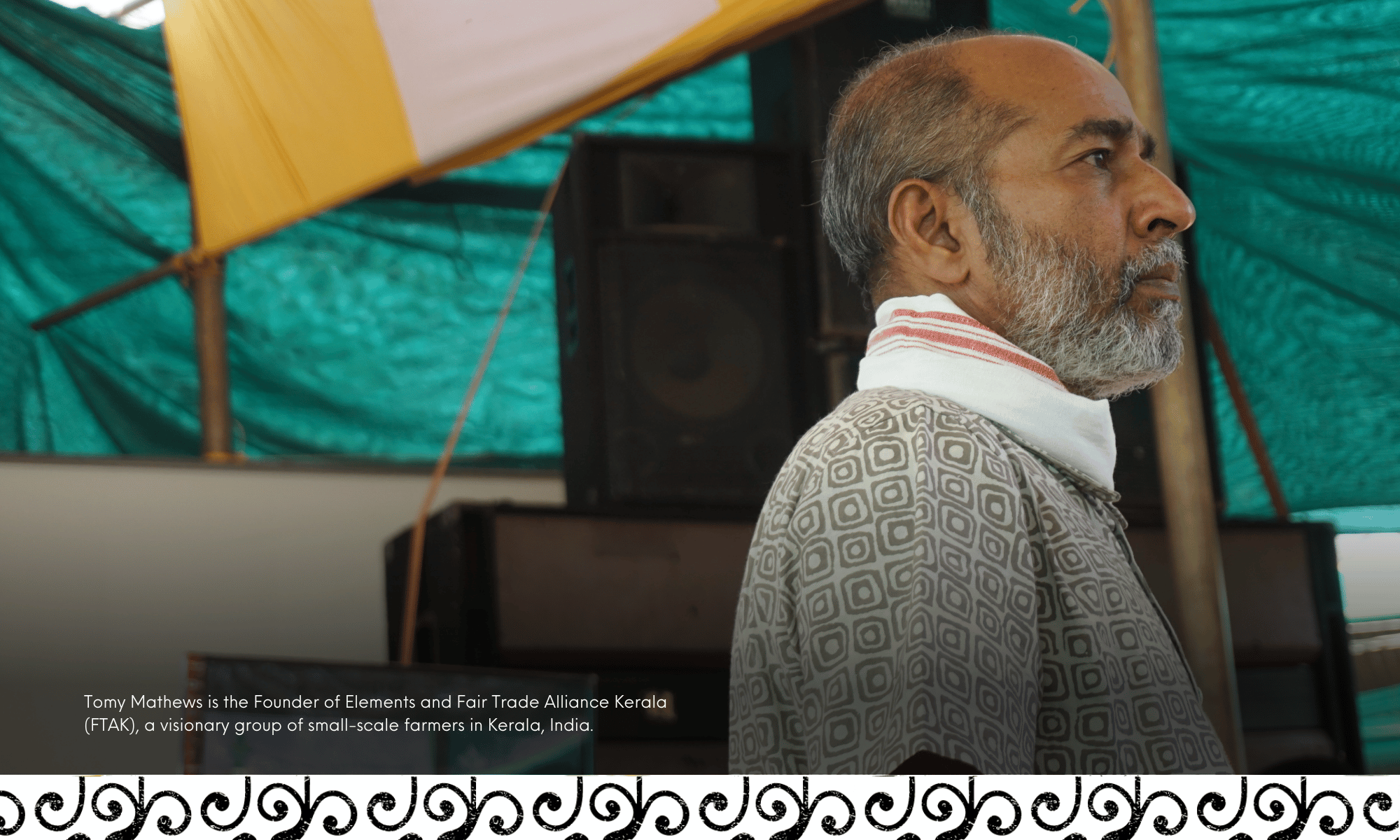
Image: The auditor (left) carries out inspections.
Activities
Preparation of demonstration farmers
A total of 10 demonstration farms were established and utilized throughout the implementation period. These demonstration sites served as practical learning centres where farmers could observe and apply recommended agricultural practices under real field conditions. The demonstration farms facilitated hands-on training, knowledge sharing and peer-to-peer learning, enabling farmers to gain practical skills in crop management, organic production practices and improved farming techniques. The sites also provided an opportunity for farmers to assess the benefits of adopting the promoted practices, thereby encouraging wider uptake within their communities.
Purchase and distribution of coffee seedlings
A total of 100,677 RAB C15 coffee seedlings were purchased, prepared and distributed to 523 farmers to support the expansion and improvement of coffee production. Among the beneficiaries, 323 were women and youth, while 200 were men, demonstrating a strong focus on inclusive agricultural development. The distribution aimed to increase the number of coffee trees that are resistant to diseases and to replace old, less productive coffee trees with the improved RAB C15 variety. Following the distribution, the remaining RAB C15 coffee seedlings continue to be maintained in the nursery for future planting activities and support to additional farmers.
Post-harvest management training
A total of 553 coffee farmer representatives from 10 farmer groups in Cyato Sector participated in the training, including 234 women and 319 men, alongside four Tropic Coffee staff members. Participants were equipped with knowledge and skills on coffee processing, proper storage practices, quality improvement and measures to reduce post-harvest losses. The training strengthened farmers’ capacity to maintain and improve coffee quality after harvest, contributing to enhanced market readiness and increased opportunities for better returns from coffee production.
Climate-Smart Agriculture training
A total of 557 participants, including 553 coffee farmers (234 women and 319 men) and four company staff members, took part in the training on Climate-Smart Agriculture practices. Participants gained knowledge and practical skills on soil conservation, water management, organic composting and other sustainable farming methods designed to enhance agricultural productivity while protecting natural resources. The training strengthened farmers’ capacity to adapt to climate change, improve resilience to environmental challenges and promote more sustainable and productive coffee farming systems.
Financial literacy training for women
A total of 256 women coffee farmers participated in financial literacy training, where they gained knowledge and practical skills in savings, budgeting, business management and income planning. The sessions were designed to strengthen participants’ financial decision-making abilities and enhance their capacity to manage household and farm finances effectively. As a result, the training contributed to increasing women’s economic participation, promoting financial independence and supporting the sustainability of their coffee-related enterprises.
Before this training, less than 5% of participants had a formal household or farm budget. During the training, 92% were supported to create a budget which they have received continuous support to utilise.
“For the first time I know exactly how much my coffee really earns me.”
At the start of the training, 28% of women had a savings account registered in their own name in which to save their income from coffee. Following the training, 89% declared they will now open a personal SACCO / bank account to increase their financial independence.
“I will open a SACCO account in my own name next month - I didn’t know it was possible before”.
Leadership training for Women
A total of 250 women coffee farmers from different coffee farmer groups participated in the leadership training, which was designed to address the persistent leadership gap in the co-operative sector, where women perform the majority of farm labour yet remain underrepresented in leadership positions.
Through the training, participants were equipped with skills in decision-making, group leadership, communication and active community participation. The initiative enhanced women’s confidence and capacity to take on leadership roles within their farmer groups and communities, while promoting greater gender inclusion and representation across the coffee value chain.
Agroforestry nursery establishment
Agroforestry nursery activities were initiated to support sustainable coffee farming and strengthen environmental conservation efforts within coffee-growing communities. Through this initiative, tree seedlings were raised to promote improved shade management in coffee fields, enhance soil protection and contribute to the long-term sustainability of coffee production systems.
A total of 10,017 agroforestry tree seedlings were prepared for distribution to 431 coffee farmers, enabling them to establish and maintain appropriate shade cover, improve farm resilience and support biodiversity conservation within their coffee plantations.
Funding for women-led groups
A total of 194 women from women-led groups received financial support aimed at strengthening their economic activities and livelihoods. Each beneficiary received RWF 25,780, resulting in a total disbursement of RWF 5,001,320 (GBP £2,541). This funding provided women with additional resources to invest in income-generating activities, enhance their financial resilience and increase their participation in economic opportunities within their communities.
Farmer training in Organic and Fairtrade certification
A total of 505 participants, comprising 207 women, 293 men and five company staff and internal inspectors, attended the certification training. The training focused on organic certification standards, Fairtrade principles, internal control systems, traceability requirements and record-keeping practices.
Participants enhanced their understanding of certification requirements and the importance of maintaining accurate records and traceability systems to ensure compliance with organic and Fairtrade standards and improve market access opportunities.
The certification process is now at an advanced stage, with the project awaiting final review and formal issuance of the Organic and Fairtrade certificates. The estimated completion date of this activity is December 2026.
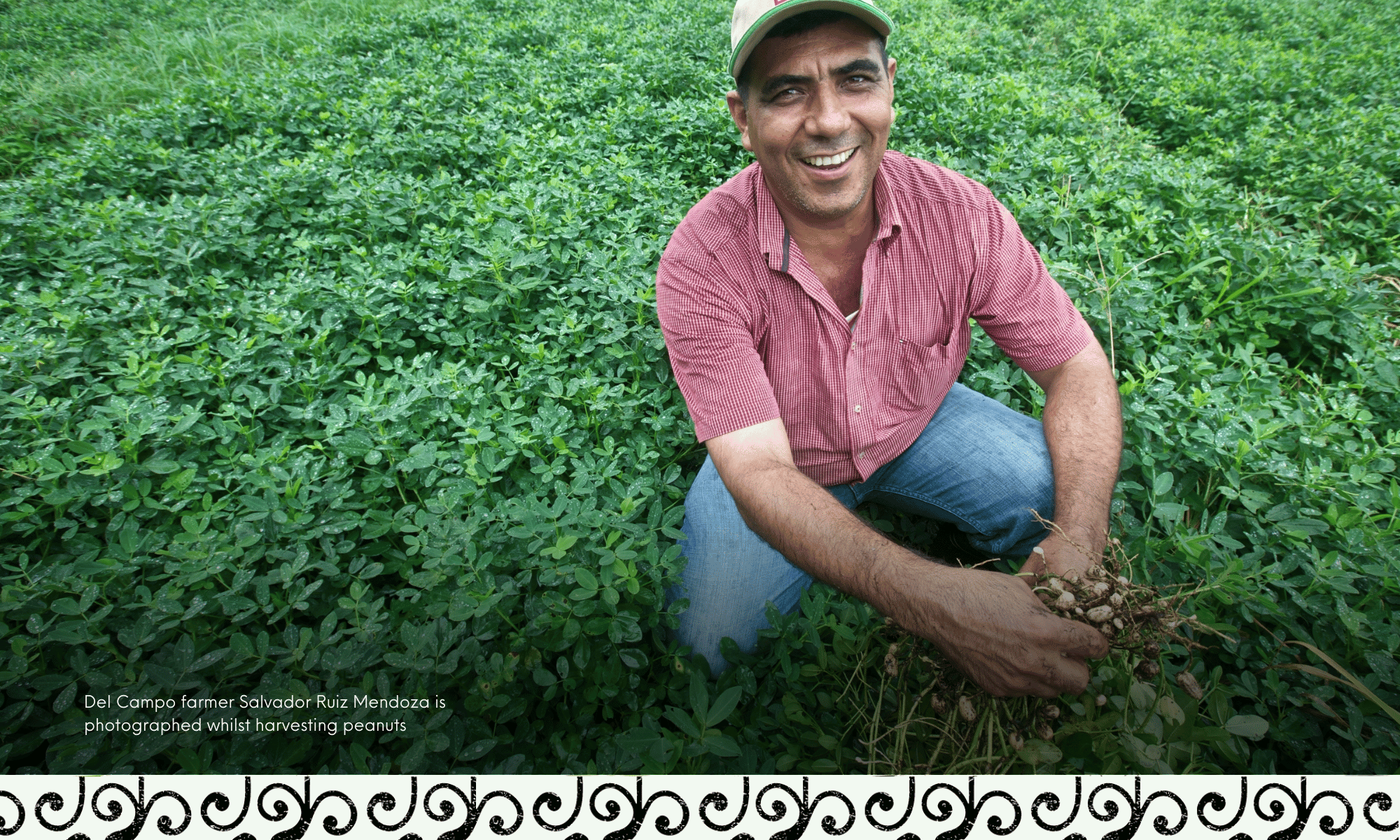
Image: Participants partake in post-harvest training.
Reflection
Our Sustainable Coffee Futures project successfully strengthened the productivity, resilience and sustainability of coffee farming among participating farmers. Through the distribution of improved coffee seedlings, climate-smart agriculture training, agroforestry initiatives and support to women-led groups with financial literacy and leadership development, farmers enhanced their technical, financial, and organisational capacities. The intervention also promoted greater inclusion of women and youth, strengthened environmental stewardship and created opportunities for diversified and more sustainable livelihoods.
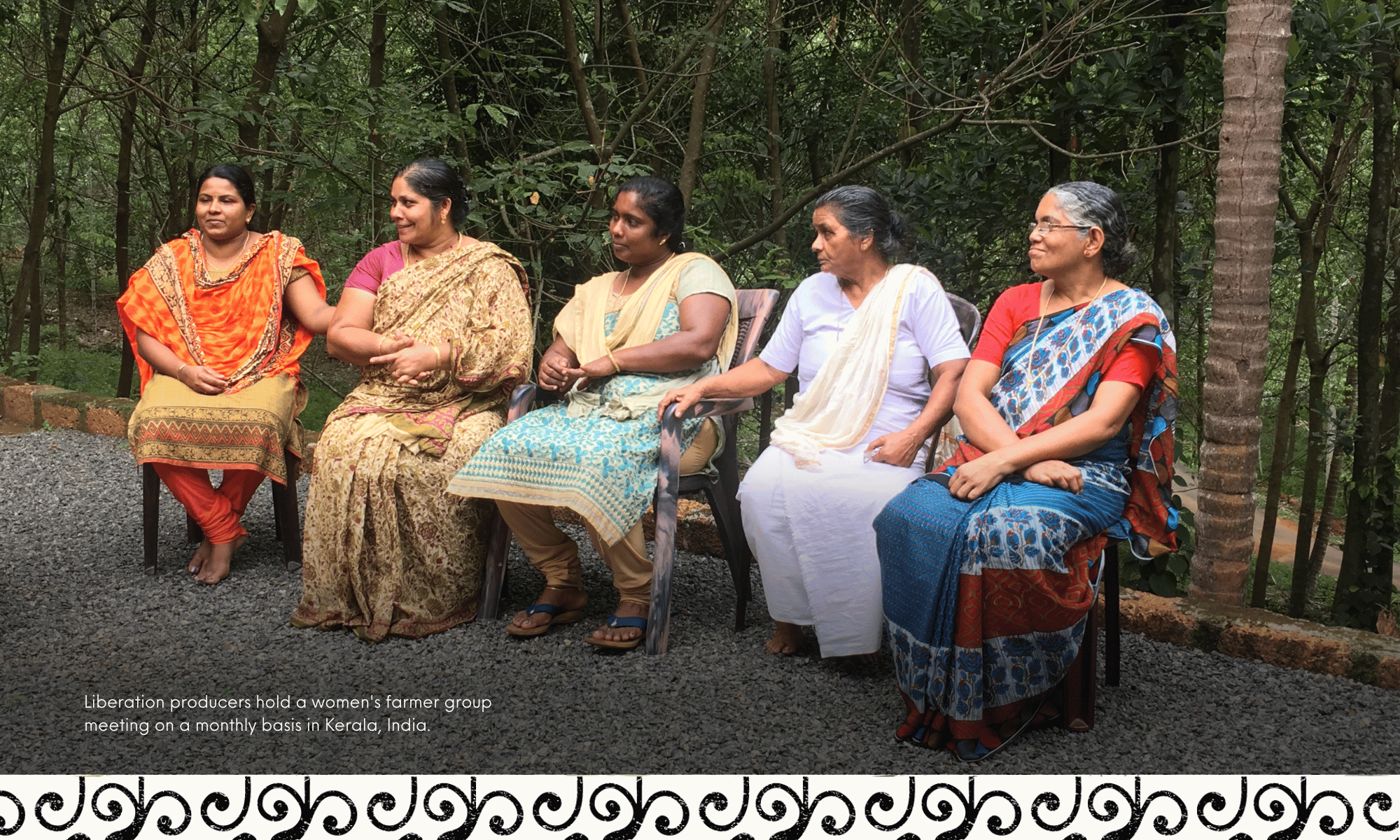
Image: Workers exchange a bucket of coffee cherries at the co-operative's coffee washing facility.
Despite challenges related to climate variability, resource constraints, farmer adoption of new practices and delays in finalising the Organic and Fairtrade certification process due to audit and verification requirements, substantial progress was achieved during the reporting period.
Through continuous technical support, stakeholder engagement and capacity-building efforts, farmers are now better positioned to improve coffee production and strengthen household resilience.
Building on these achievements, continued investment in climate-smart agriculture, womens’ economic empowerment and complementary income-generating activities, such as beekeeping, will be essential to sustain the positive impacts of this project and the long-term livelihood outcomes for farming communities.
Collaborating for a fairer world
This project marks the first initiative under the SSNUP programme, designed specifically for the technical assistance needs of the organisations Shared Interest supports with finance.
Our collaboration with the Smallholder SustaiNability Upscaling Programme (SSNUP), enables us to maximise positive outcomes for producers through this tailored approach, both in their efficacy and sustainability.
SSNUP is a ten-year programme, funded by government institutions of Luxembourg, Switzerland and Liechstenstein. The programme part-finances technical assistance projects to support co-operatives, agri-SMEs and financial intermediaries, under key topics such as management systems improvement, market access and capacity building.
Donate